From Small Block roots to modern crate power: How Chevrolet Performance keeps enthusiasts building
2026-06-11
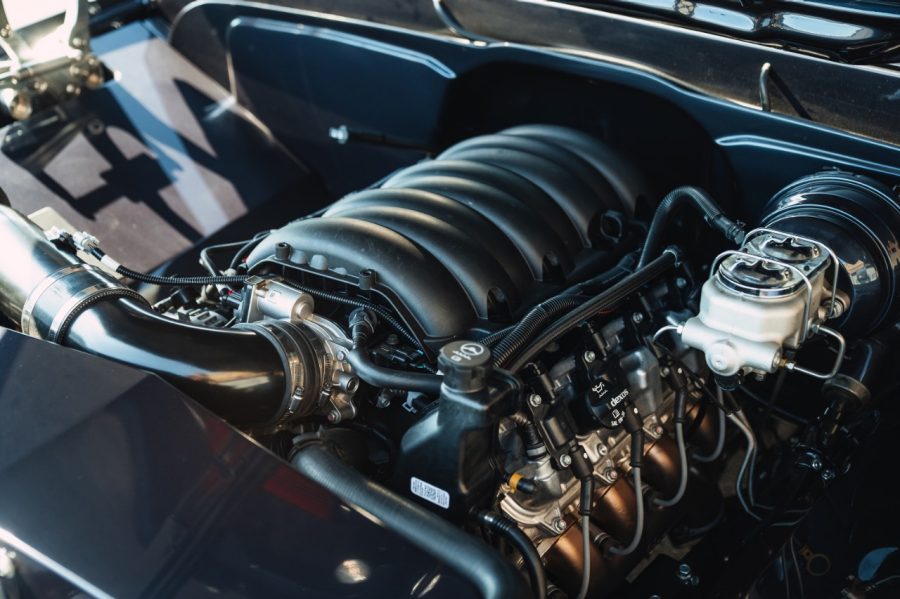
Chevrolet Performance provides factory-built engines, transmissions, controllers and supporting parts designed, tested and built in-house by GM. That includes crate engines1 — fully assembled engines sold as a standalone package for builders who want to add Chevy power to a project vehicle, hot rod or custom build. That includes many of the enthusiasts participating in this week’s annual Hot Rod Power Tour.
It remains an active business serving hot rodders, restorers, racers and truck builders who continue to buy Chevy Performance products for street builds, drag cars, truck projects and restorations. The story of that business can be traced through decades of product milestones.
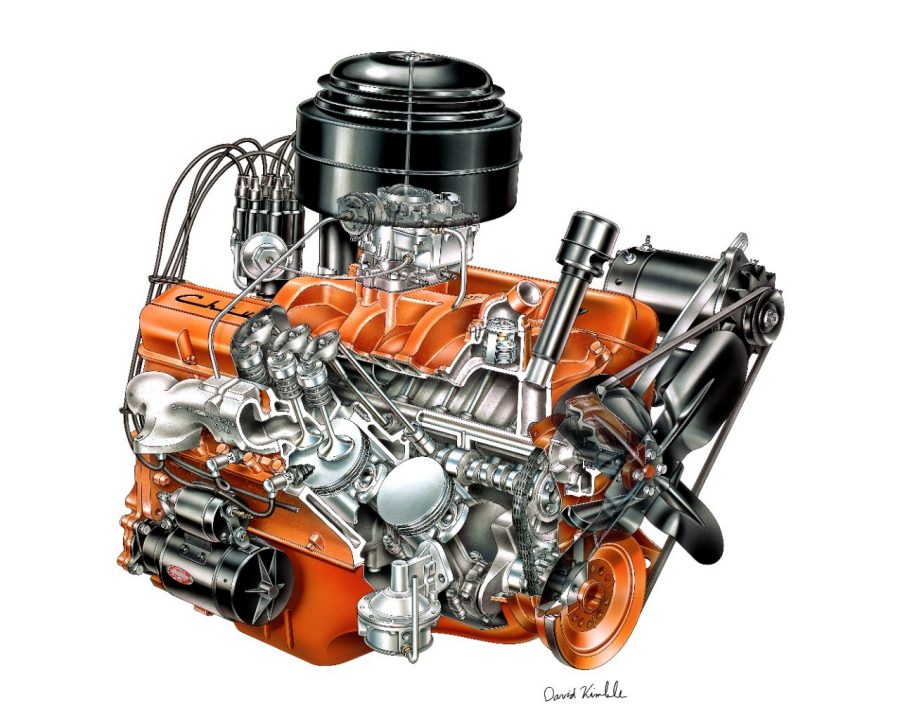
Caption: 1955 Chevrolet 265-cubic-inch Small Block V8 Engine
1955: The Small Block started it all
Chevy Performance traces its roots back to the 265-cubic-inch Small Block V8 introduced for 1955. It powered icons like the Corvette and Bel Air and became the foundation of Chevy performance culture.
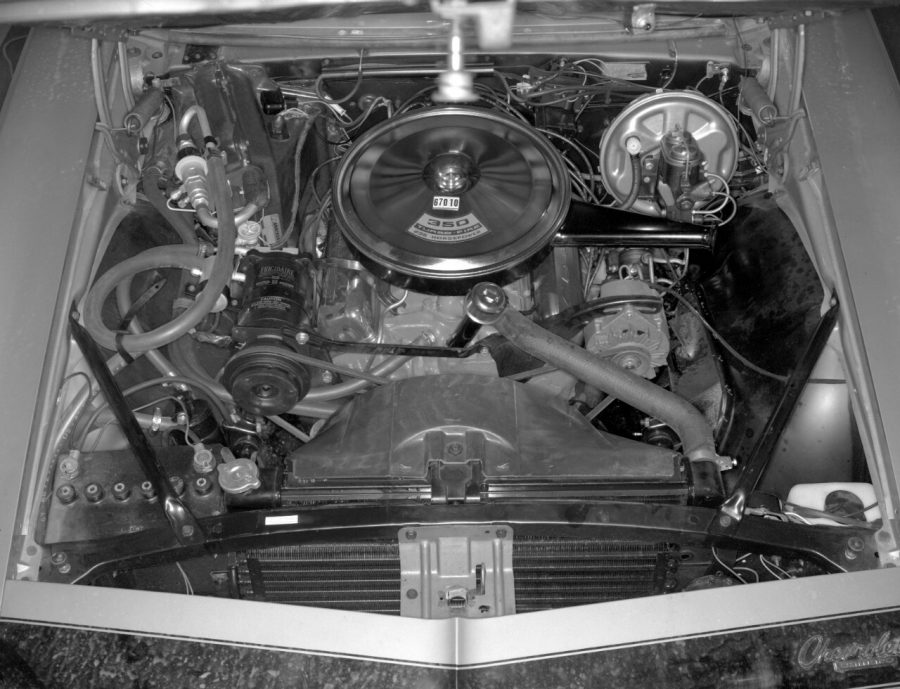
Caption: 1967 Chevrolet Camaro Turbo-Fire V8 350CID Engine
1967: Camaro and the 350 expanded the formula
The arrival of the Camaro opened a new chapter for Chevy, and 1967 also brought the first 350 V8. Together, they helped turn the Small Block legacy into a broader performance identity that would reach far beyond the showroom.
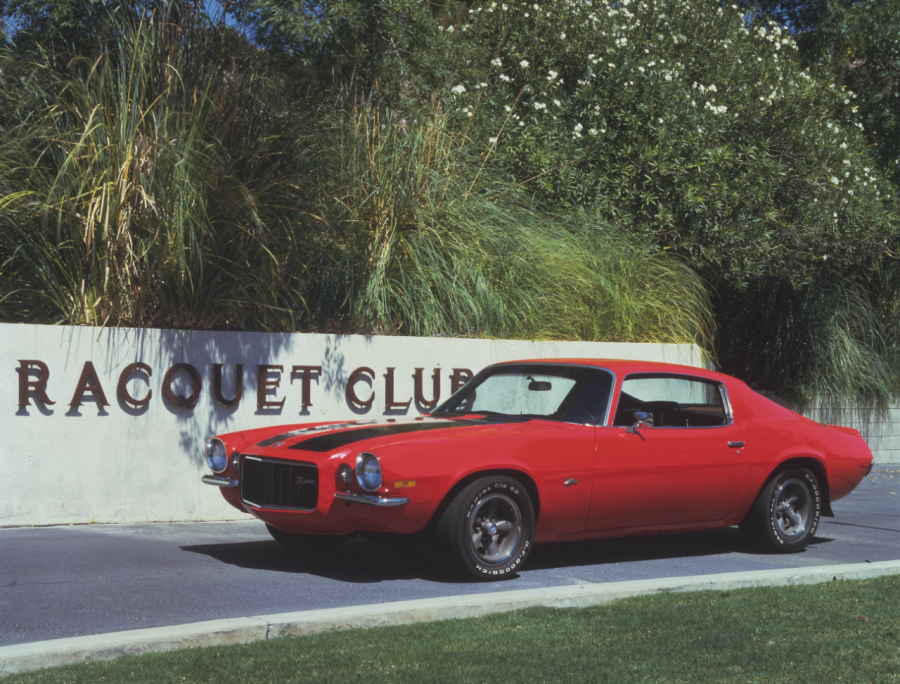
Caption: 1970 Chevrolet Camaro Z/28
1970: LT1 gave the small block a new hero
In 1970, Chevy added another defining name with the LT1. In the Corvette and Camaro Z/28, it became one of the standout high-output small blocks of its era and reinforced Chevy’s credibility with enthusiasts looking for factory performance.
1980s: Electronic fuel injection and the performance catalog modernized the access
Modern electronic fuel injection helped bring newer technology into Chevy performance, and by the late 1980s, GM Performance Parts – now Chevy Performance Parts – was also making engines and parts more accessible to enthusiasts through a standalone catalog.
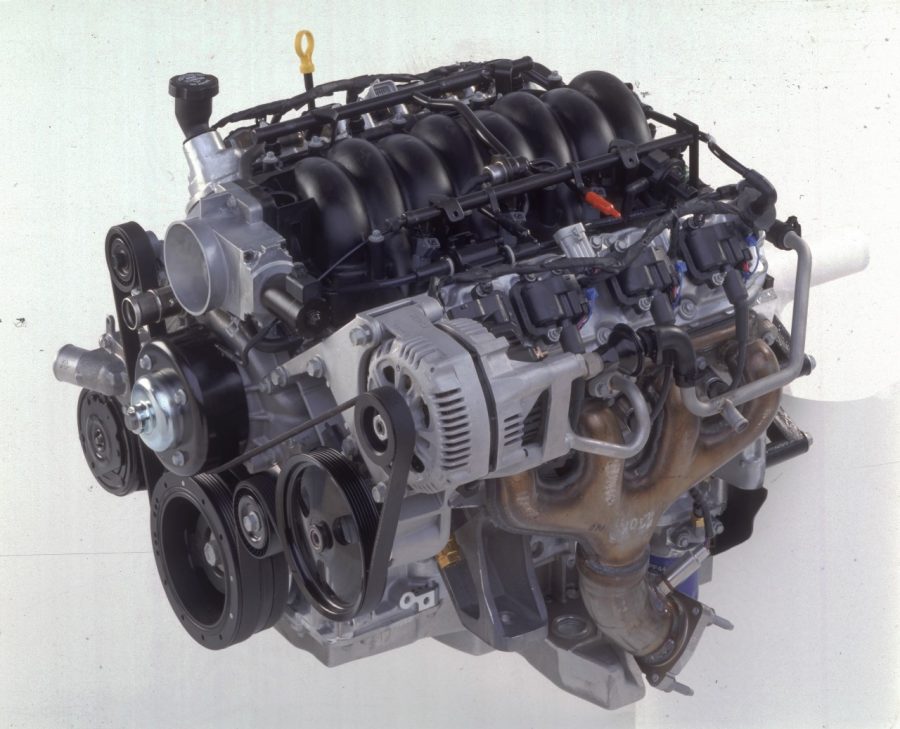
Caption: 1997 Chevrolet Corvette 5.7L V8 LS1 Engine
1997: LS crate engine1 reshaped modern hot-rodding
The LS gave builders a compact, flexible, and powerful platform for swaps and custom builds. Its influence still shows up across hot rods, drag cars, performance truck builds and off-road projects today.
2014: LT crate engine1 carried the story forward
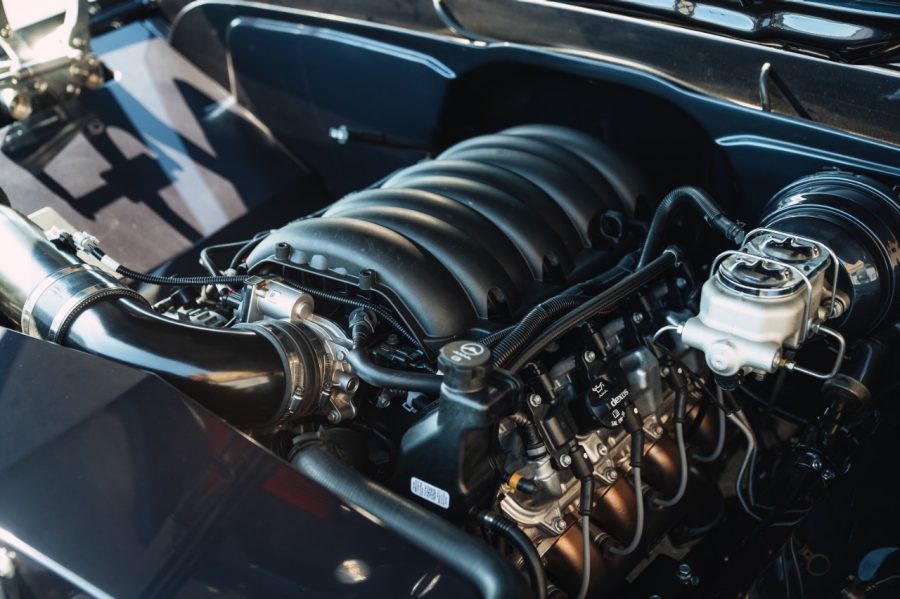
Chevy evolved the formula again with the introduction of the Gen V engine class – starting with major upgrades to the classic LT1, bringing newer technology that improved power, responsiveness and overall drivability. They remain a key part of the Chevy Performance lineup today with the L8T and L8P performance variants.
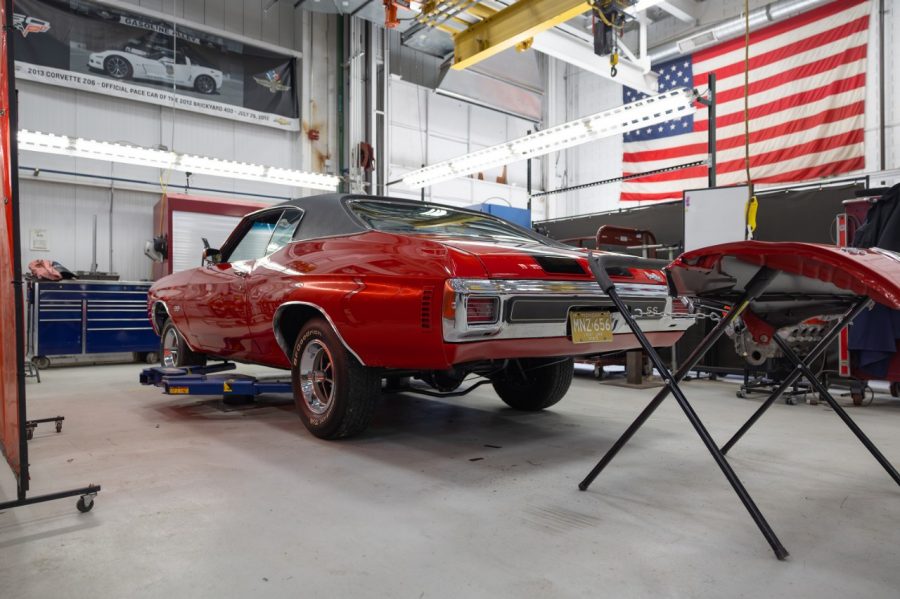
Caption: 1970 Chevrolet Chevelle
Caption: L8P 6.6L crate engine1
Today: Power Tour connects the heritage to current product
That history comes to life this week at the Hot Rod Power Tour, where Chevy Performance returns as a title sponsor and showcases its commitment to the performance community through engines, transmissions and supporting parts.
Today’s lineup spans traditional Small Block and Big Block crate engines1, along with LS and LT options for more modern builds. During the tour, Chevy Performance will showcase its engine power in builds like a 1970 Chevrolet Chevelle that offers a preview of what’s to come later this year, a 1969 Chevrolet Chevelle with the SP502/605 Deluxe crate engine1 and 4L75 transmission and, a 1953 Chevrolet Suburban with the LS376/525 crate engine1 and 6L80-E transmission.
From 1955 to today, Chevy Performance has continued to give enthusiasts new ways to build with Chevy power. Hot Rod Power Tour remains one of the clearest places to see that legacy still moving.
1 Unless specifically noted to the contrary herein, vehicles equipped with Chevrolet Performance parts that are emissions-related may not meet U.S., Canadian, and state and provincial laws and regulations relating to motor-vehicle emissions. These parts are designed and intended for use in vehicles operated exclusively for competition: in racing or organized competition on courses separate from public roads, streets, or highways. Visit https://www.chevrolet.com/performance-parts/owners-support/emissions-disclosure for more details.
Chevrolet Performance provides factory-built engines, transmissions, controllers and supporting parts designed, tested and built in-house by GM. That includes crate engines1 — fully assembled engines sold as a standalone package for builders who want to add Chevy power to a project vehicle, hot rod or custom build. That includes many of the enthusiasts participating in this week’s annual Hot Rod Power Tour.
It remains an active business serving hot rodders, restorers, racers and truck builders who continue to buy Chevy Performance products for street builds, drag cars, truck projects and restorations. The story of that business can be traced through decades of product milestones.
1955 Chevrolet 265-cubic-inch Small Block V8 Engine
1955: The Small Block started it all
Chevy Performance traces its roots back to the 265-cubic-inch Small Block V8 introduced for 1955. It powered icons like the Corvette and Bel Air and became the foundation of Chevy performance culture.
1967 Chevrolet Camaro Turbo-Fire V8 350CID Engine
1967: Camaro and the 350 expanded the formula
The arrival of the Camaro opened a new chapter for Chevy, and 1967 also brought the first 350 V8. Together, they helped turn the Small Block legacy into a broader performance identity that would reach far beyond the showroom.
1970 Chevrolet Camaro Z/28
1970: LT1 gave the small block a new hero
In 1970, Chevy added another defining name with the LT1. In the Corvette and Camaro Z/28, it became one of the standout high-output small blocks of its era and reinforced Chevy’s credibility with enthusiasts looking for factory performance.
1980s: Electronic fuel injection and the performance catalog modernized the access
Modern electronic fuel injection helped bring newer technology into Chevy performance, and by the late 1980s, GM Performance Parts – now Chevy Performance Parts – was also making engines and parts more accessible to enthusiasts through a standalone catalog.
1997 Chevrolet Corvette 5.7L V8 LS1 Engine
1997: LS crate engine1 reshaped modern hot-rodding
The LS gave builders a compact, flexible, and powerful platform for swaps and custom builds. Its influence still shows up across hot rods, drag cars, performance truck builds and off-road projects today.
2014: LT crate engine1 carried the story forward
Chevy evolved the formula again with the introduction of the Gen V engine class – starting with major upgrades to the classic LT1, bringing newer technology that improved power, responsiveness and overall drivability. They remain a key part of the Chevy Performance lineup today with the L8T and L8P performance variants.
Today: Power Tour connects the heritage to current product
That history comes to life this week at the Hot Rod Power Tour, where Chevy Performance returns as a title sponsor and showcases its commitment to the performance community through engines, transmissions and supporting parts.
Today’s lineup spans traditional Small Block and Big Block crate engines1, along with LS and LT options for more modern builds. During the tour, Chevy Performance will showcase its engine power in builds like a 1970 Chevrolet Chevelle that offers a preview of what’s to come later this year, a 1969 Chevrolet Chevelle with the SP502/605 Deluxe crate engine1 and 4L75 transmission and, a 1953 Chevrolet Suburban with the LS376/525 crate engine1 and 6L80-E transmission.
From 1955 to today, Chevy Performance has continued to give enthusiasts new ways to build with Chevy power. Hot Rod Power Tour remains one of the clearest places to see that legacy still moving.
1Unless specifically noted to the contrary herein, vehicles equipped with Chevrolet Performance parts that are emissions-related may not meet U.S., Canadian, and state and provincial laws and regulations relating to motor-vehicle emissions. These parts are designed and intended for use in vehicles operated exclusively for competition: in racing or organized competition on courses separate from public roads, streets, or highways. Visit https://www.chevrolet.com/performance-parts/owners-support/emissions-disclosure for more details.