Fast, faster, fastest: Inside the 2027 Chevrolet Corvette’s LS6, LT6 and LT7 V8 engines.
2026-06-05
When it comes to epic engines, Chevrolet Corvette enthusiasts are spoiled for choice. 2027 Corvette’s trio of small-block V8s provide an exceptional mix of capability and character. Those three engines – called the LS6, LT6 and LT7 V8s – each bring a unique mechanical philosophy to the table, lending a different emotional payoff and engine character from the driver’s seat. While raw output differentiates these engine options on paper, they offer buyers the chance to choose a unique feel and identity in their brand-new Corvette.
To decode the three engine choices, GM News talked to GM engineers Mike Kociba and Dustin Gardner, two of the many engineers responsible for breathing these epic small-blocks to life. These experts offered their unique perspective and insight, explaining what differentiates these engines (and makes them each oh-so-glorious).
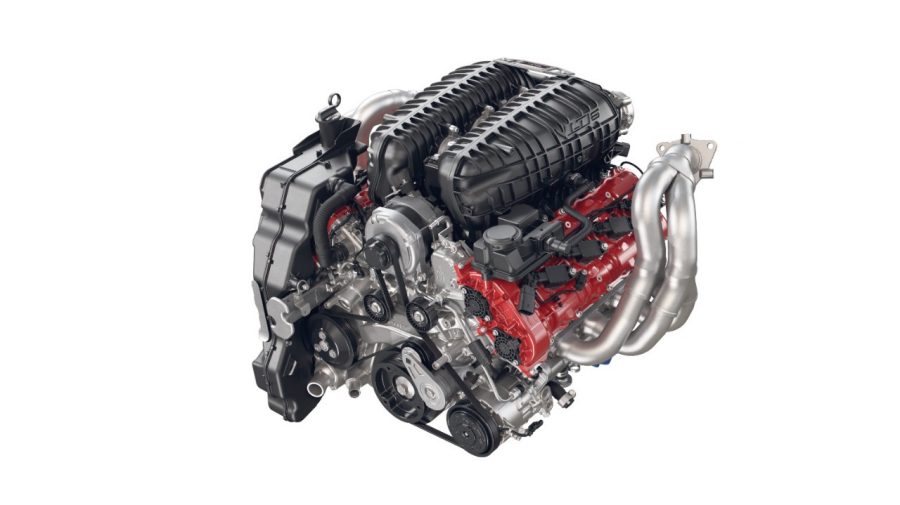
According to these experts, each engine in the Corvette lineup has its own voice, character, and purpose. The all-new LS6, debuting in the 2027 Corvette Stingray, Grand Sport and Grand Sport X, leans into that old-school big-displacement punch that Corvette owners know and love. The LT6 delivers a high-revving, exotic edge, and the LT7 takes that formula to its most-extreme ends thanks to twin turbochargers.
Whichever engine you choose, the message from these engineers is clear: a small-block V8 brings a special experience when its paired to America’s supercar. With any Corvette engine, drivers should expect a compelling blend of performance and character.
Key Stats
2027 Chevrolet Corvette Stingray & 2027 Corvette Grand Sport
LS6 small-block V8
Displacement: 6.7 liters
535 horsepower and 520 lb-ft of torque1
2027 Chevrolet Corvette Grand Sport X
LS6 small-block V8 and electric motor
Displacement: 6.7 liters
721 combined horsepower and 665 lb-ft of torque1
2027 Chevrolet Corvette Z06
LT6 Gemini V8
Displacement: 5.5 liters
670 horsepower and 460 lb-ft of torque1
2027 Chevrolet Corvette ZR1
LT7 Gemini V8
Displacement: 5.5 liters
1064 horsepower and 828 lb-ft of torque1
2027 Chevrolet Corvette ZR1X
LT7 Gemini V8
Displacement: 5.5 liters
1250 combined horsepower and 973 lb-ft of torque1
Q&A With Corvette Engineers
GM News: For buyers looking across the Corvette lineup, how do you begin to separate these engines from one another? How do you pick?
Mike Kociba: “I truly do believe this is like choosing your favorite flavor of ice cream. Some days I like vanilla, some days I like chocolate. We’re offering that variety, but the bottom line is: they’re all a great choice.”
GM News: Let’s start with the “base” engine in the 2027 Corvette Stingray, then. It’s a remarkably powerful engine, brand new, and a worthy choice all its own. Tell me about what makes the LS6 so special.
Mike Kociba: “With the LS6, you get that punch of high-displacement torque from low revs. So when you’re canyon cruising, you’re driving around town, you don’t have to put the whip to the engine to motivate it through a small hole in traffic. Yet you still have that kind of top-end power that makes the track experience feel unmistakably Corvette.”
“With LS6, we’ve tried to honor the historic principles of large-displacement small-block V8s, but not do it in a benign way. No one who drives an LS6-powered Stingray will say, ‘I’ve been there, done that.’”
GM News: What sets the LS6 apart in the supercar market?
Mike Kociba: “Torque is our calling card for the LS6. It makes for performance that you can hear and feel. With its displacement and then the 13:1 compression ratio, it hits hard – you hear it, you feel it in your seat and in your ears.”
GM News: In what way does the LS6 connect with Corvette buyers?
Mike Kociba: “People are very big on heritage, especially with the Corvette. And obviously we’ve brought a piece of the muscle car era back with the LS6’s 409 cubic inches of displacement. It’s cool to lean into.”
GM News: With so many automakers moving away from V8s, why was it important for Corvette to keep leaning into them for the C8 generation and with the all-new LS6?
Mike Kociba: “It takes two to tango. I gotta give some credit to the Corvette team, it was always a V8. They never wavered, it was always a V8. As everybody else is moving away from V8s, we doubled down and we embraced it.”
Dustin Gardner: “Customers love V8s. How many other mid-engine sports cars are left with a V8 in it, right? And we’ll offer two flavors of naturally aspirated V8s, and a twin turbo. We’re bringing something to the customer that others aren’t offering, because we can.”
Mike Kociba: “We realized we have something unique here and we can really break the industry by taking our strengths and pushing them even farther, embracing those elements, using modern technology to make this small block do things that we haven’t done ever in our history, which is a strong statement.”
GM News: Now that the LS6 has taken its well-deserved flowers, talk to me about the LT6 in the Corvette Z06, Dustin. Why choose this engine?
Dustin Gardner: “It’s the most powerful naturally aspirated V8 ever offered in a production car, by a wide margin. So it’s got that crown and I don’t think anyone’s gonna touch it. That’s its big achievement. But the LT6 was built and designed around character.”
“It’s also the highest revving small block we’ve ever done. It’s an emotional engine. That's what resonates with customers is the free-breathing, naturally aspirated, high engine speed, light, flat plane crank, supercar character.”
GM News: Mechanically, how do you engineer character into an engine like the LT6?
Dustin Gardner: “That was the good thing with the small-block's Gemini architecture – there was no baseline. We wanted a V8 flat-plane crank that could spin up close to 9000 RPM. We worked back from that and ended up on 8600.”
“We worked our way back into 5.5 liters of displacement, it gave us a good balance of low end torque responsiveness, which is a core Corvette attribute, but still enabled that very high speed flat plane crank character that was designed into the engine.”
The LT6 and the Z06 are definitely the most track-focused Corvettes we have. It's supposed to feel like the lightest, the most pure. With that engine, it really is the track scalpel choice.
GM News: Then where does the LT7 fit in for buyers? It’s got insane horsepower, even by Corvette standards.
Dustin Gardner: “If you want most of the LT6’s character, and you just want no-compromise torque and power that’s off the charts, then you go to the twin-turbo variant of the two, the LT7. It comes with mind-bending power and torque.”
GM News: It’s one thing to see those figures on paper – 1,064 horsepower, 828 lb-ft and 233 mph1, 2 – what does it feel like to experience?
Dustin Gardner: “The way the car and the engine pulls, as soon as it builds boost, I always joke with customers, ‘the first time you do it, try to remember what comes out of your mouth.’ The power of that sensation changes you.”
GM News: What defines the LT7’s personality? Is it mechanical or experiential? Both?
Dustin Gardner: “The rumors and the leaks ahead of the engine's launch were around 850 horsepower. But as the LT7 was refined, and we knew how good the Gemini architecture was, then we got smarter on the boosting system. We quickly realized 850 was going to be easy. And then everybody said, okay, what needs to change to make it over 1,000?”
“The favorite memory I had of the LT7 was the first time the dyno shut down on us because we overpowered it. A bunch of us were on the dyno console hooting and hollering when the numbers started clicking over into four figures. That’s when it all came together.”
“When it roars and you hear that small block thunder, you know, that makes a believer out of almost anybody.”
1Per SAE guidelines.
2On a closed course only.
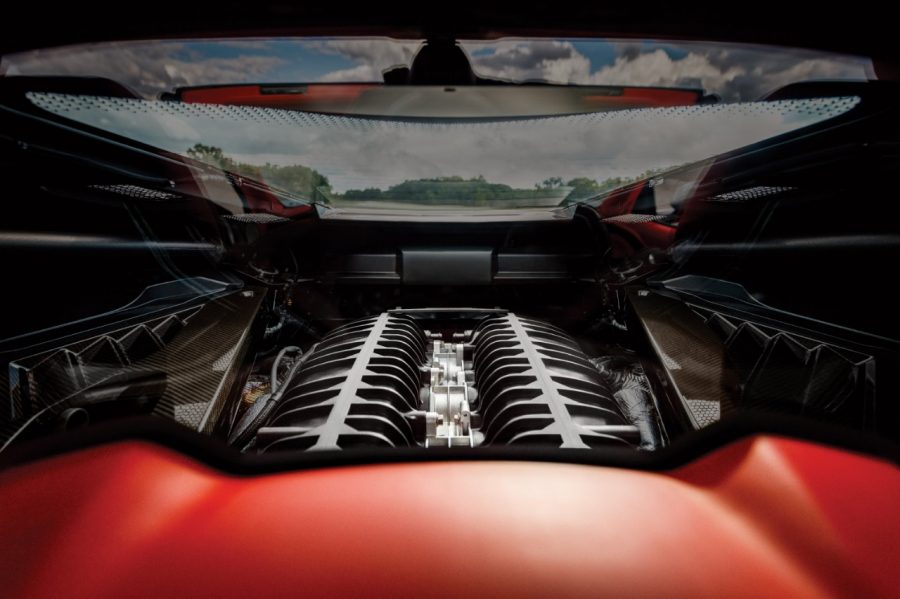
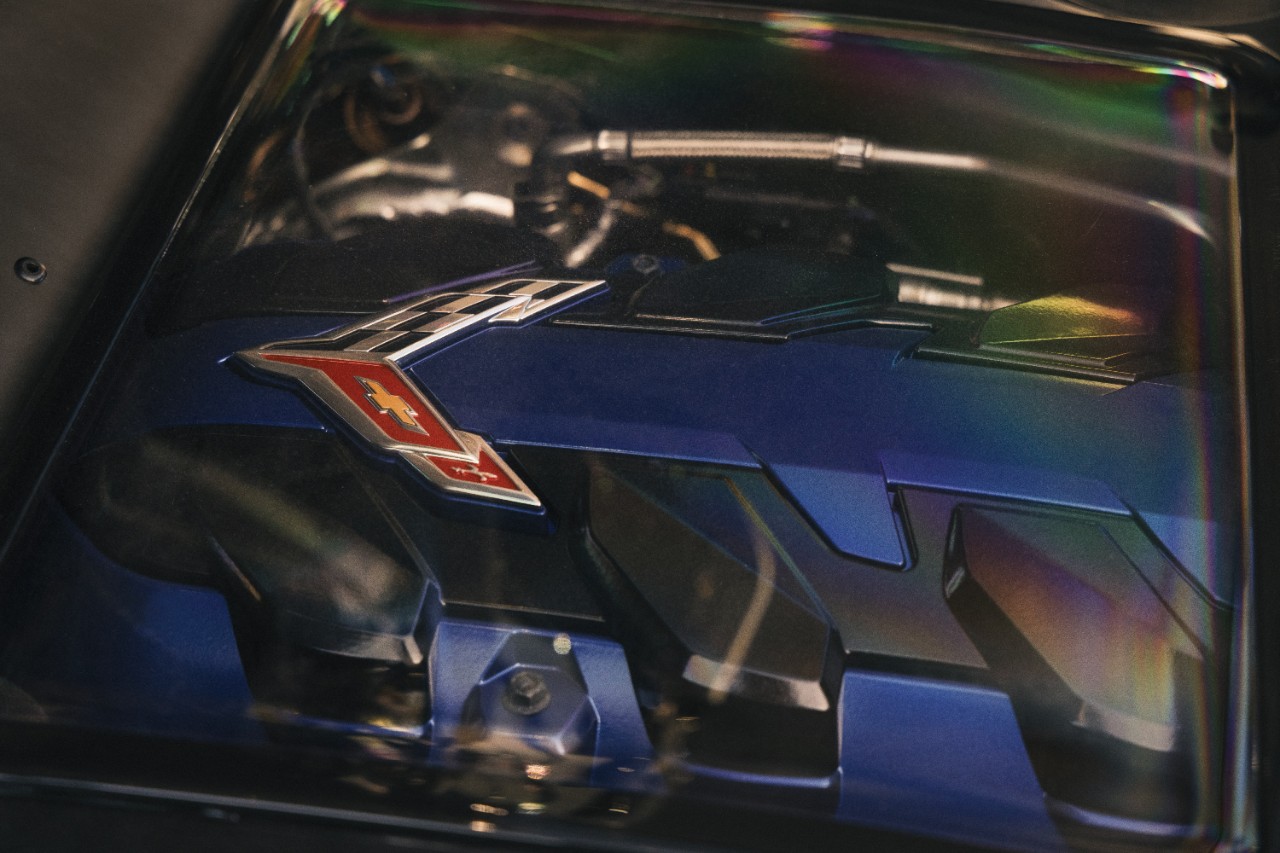
The view behind the cockpit of the Corvette Z06, looking over the LT6 small-block V8.
When it comes to epic engines, Chevrolet Corvette enthusiasts are spoiled for choice. 2027 Corvette’s trio of small-block V8s provide an exceptional mix of capability and character. Those three engines – called the LS6, LT6 and LT7 V8s – each bring a unique mechanical philosophy to the table, lending a different emotional payoff and engine character from the driver’s seat. While raw output differentiates these engine options on paper, they offer buyers the chance to choose a unique feel and identity in their brand-new Corvette.
To decode the three engine choices, GM News talked to GM engineers Mike Kociba and Dustin Gardner, two of the many engineers responsible for breathing these epic small-blocks to life. These experts offered their unique perspective and insight, explaining what differentiates these engines (and makes them each oh-so-glorious).
According to these experts, each engine in the Corvette lineup has its own voice, character, and purpose. The all-new LS6, debuting in the 2027 Corvette Stingray, Grand Sport and Grand Sport X, leans into that old-school big-displacement punch that Corvette owners know and love. The LT6 delivers a high-revving, exotic edge, and the LT7 takes that formula to its most-extreme ends thanks to twin turbochargers.
Whichever engine you choose, the message from these engineers is clear: a small-block V8 brings a special experience when its paired to America’s supercar. With any Corvette engine, drivers should expect a compelling blend of performance and character.
Key Stats
2027 Chevrolet Corvette Stingray & 2027 Corvette Grand Sport
- LS6 small-block V8
- Displacement: 6.7 liters
- 535 horsepower and 520 lb-ft of torque1
2027 Chevrolet Corvette Grand Sport X
- LS6 small-block V8 and electric motor
- Displacement: 6.7 liters
- 721 combined horsepower and 665 lb-ft of torque1
2027 Chevrolet Corvette Z06
- LT6 Gemini V8
- Displacement: 5.5 liters
- 670 horsepower and 460 lb-ft of torque1
2027 Chevrolet Corvette ZR1
- LT7 Gemini V8
- Displacement: 5.5 liters
- 1064 horsepower and 828 lb-ft of torque1
2027 Chevrolet Corvette ZR1X
- LT7 Gemini V8
- Displacement: 5.5 liters
- 1250 combined horsepower and 973 lb-ft of torque1
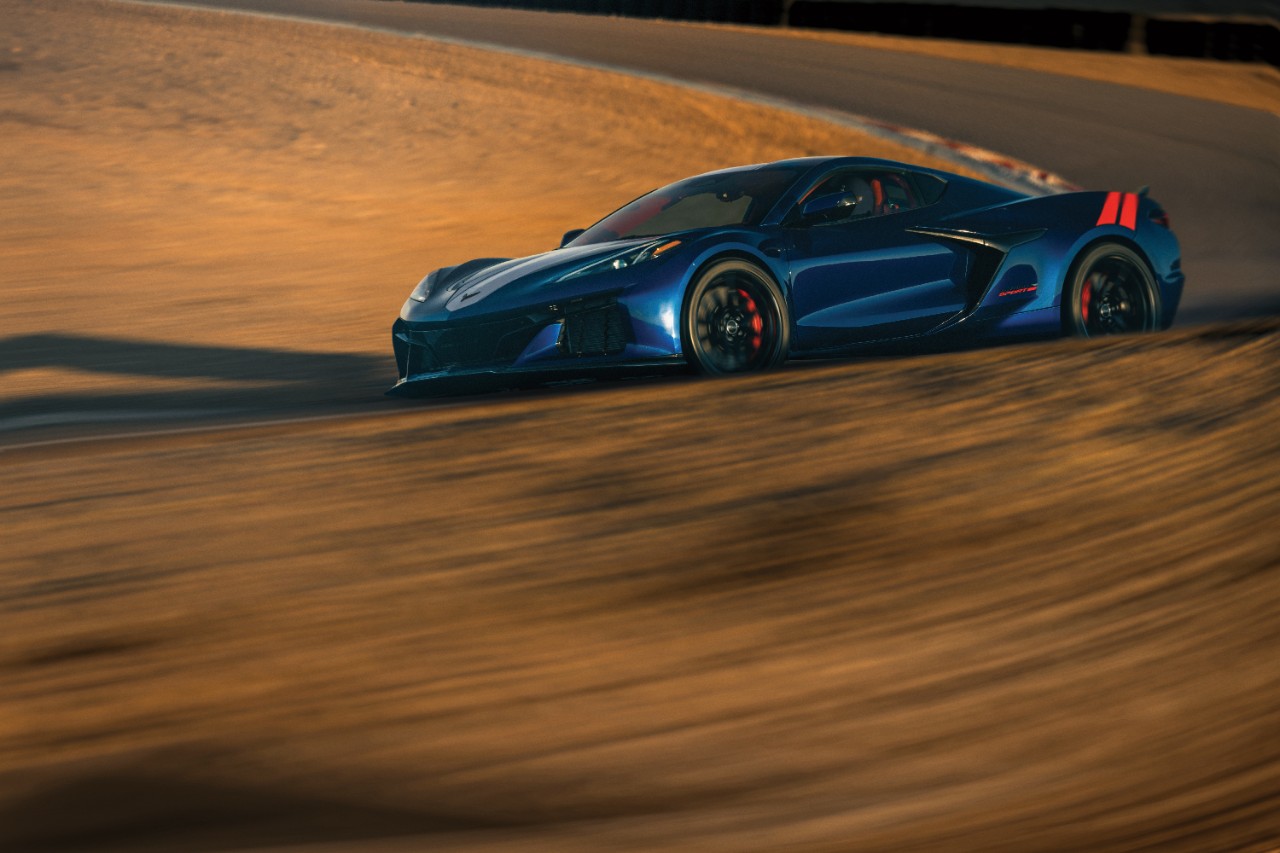
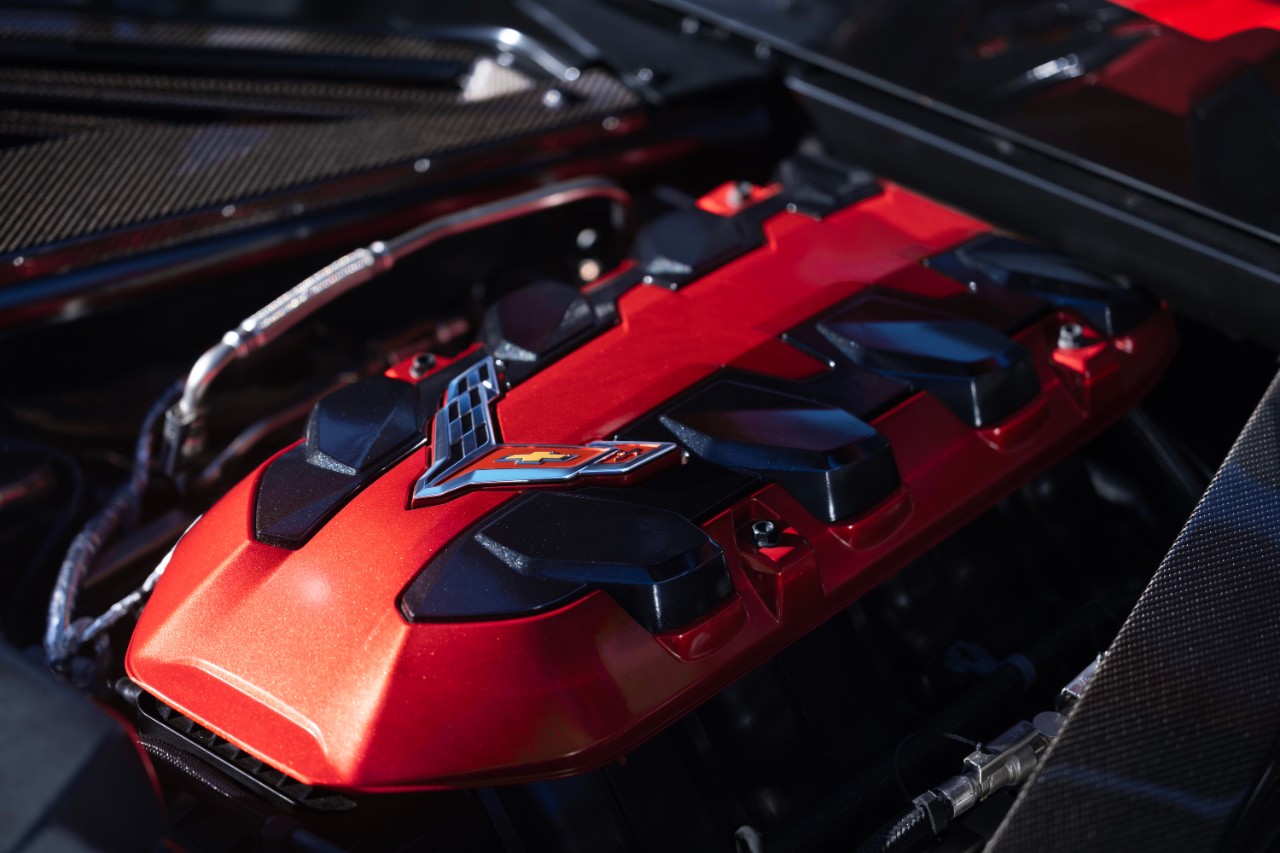
The Corvette Grand Sport (shown here) sports the all-new LS6 V8.
Q&A With Corvette Engineers
GM News: For buyers looking across the Corvette lineup, how do you begin to separate these engines from one another? How do you pick?
Mike Kociba: “I truly do believe this is like choosing your favorite flavor of ice cream. Some days I like vanilla, some days I like chocolate. We’re offering that variety, but the bottom line is: they’re all a great choice.”
GM News: Let’s start with the “base” engine in the 2027 Corvette Stingray, then. It’s a remarkably powerful engine, brand new, and a worthy choice all its own. Tell me about what makes the LS6 so special.
Mike Kociba: “With the LS6, you get that punch of high-displacement torque from low revs. So when you’re canyon cruising, you’re driving around town, you don’t have to put the whip to the engine to motivate it through a small hole in traffic. Yet you still have that kind of top-end power that makes the track experience feel unmistakably Corvette.”
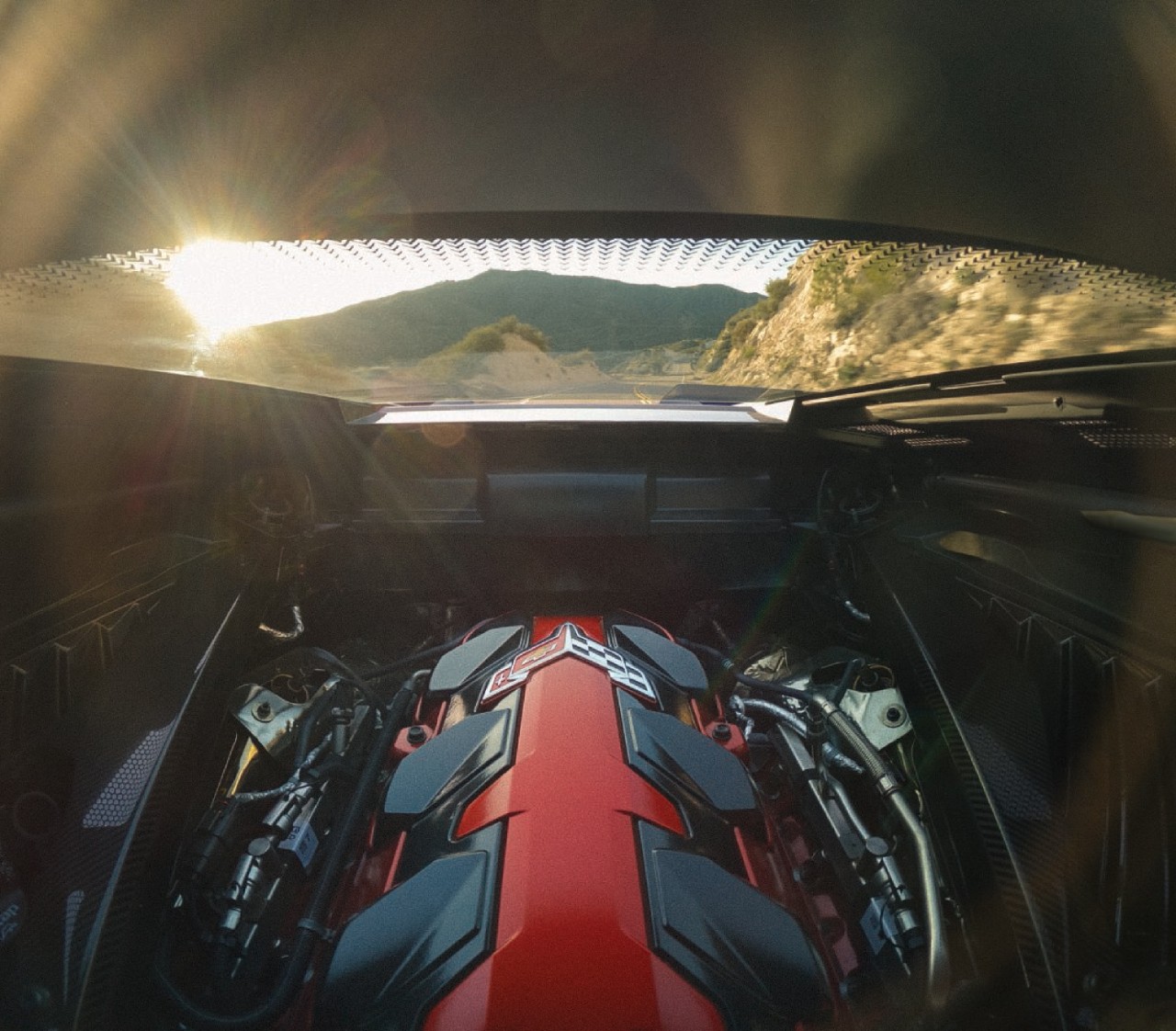
A breathtaking view of the LS6.
“With LS6, we’ve tried to honor the historic principles of large-displacement small-block V8s, but not do it in a benign way. No one who drives an LS6-powered Stingray will say, ‘I’ve been there, done that.’”
GM News: What sets the LS6 apart in the supercar market?
Mike Kociba: “Torque is our calling card for the LS6. It makes for performance that you can hear and feel. With its displacement and then the 13:1 compression ratio, it hits hard – you hear it, you feel it in your seat and in your ears.”
GM News: In what way does the LS6 connect with Corvette buyers?
Mike Kociba: “People are very big on heritage, especially with the Corvette. And obviously we’ve brought a piece of the muscle car era back with the LS6’s 409 cubic inches of displacement. It’s cool to lean into.”
GM News: With so many automakers moving away from V8s, why was it important for Corvette to keep leaning into them for the C8 generation and with the all-new LS6?
Mike Kociba: “It takes two to tango. I gotta give some credit to the Corvette team, it was always a V8. They never wavered, it was always a V8. As everybody else is moving away from V8s, we doubled down and we embraced it.”
Dustin Gardner: “Customers love V8s. How many other mid-engine sports cars are left with a V8 in it, right? And we’ll offer two flavors of naturally aspirated V8s, and a twin turbo. We’re bringing something to the customer that others aren’t offering, because we can.”
Mike Kociba: “We realized we have something unique here and we can really break the industry by taking our strengths and pushing them even farther, embracing those elements, using modern technology to make this small block do things that we haven’t done ever in our history, which is a strong statement.”
GM News: Now that the LS6 has taken its well-deserved flowers, talk to me about the LT6 in the Corvette Z06, Dustin. Why choose this engine?
Dustin Gardner: “It’s the most powerful naturally aspirated V8 ever offered in a production car, by a wide margin. So it’s got that crown and I don’t think anyone’s gonna touch it. That’s its big achievement. But the LT6 was built and designed around character.”
“It’s also the highest revving small block we’ve ever done. It’s an emotional engine. That's what resonates with customers is the free-breathing, naturally aspirated, high engine speed, light, flat plane crank, supercar character.”
GM News: Mechanically, how do you engineer character into an engine like the LT6?
Dustin Gardner: “That was the good thing with the small-block's Gemini architecture – there was no baseline. We wanted a V8 flat-plane crank that could spin up close to 9000 RPM. We worked back from that and ended up on 8600.”
“We worked our way back into 5.5 liters of displacement, it gave us a good balance of low end torque responsiveness, which is a core Corvette attribute, but still enabled that very high speed flat plane crank character that was designed into the engine.”
The LT6 and the Z06 are definitely the most track-focused Corvettes we have. It's supposed to feel like the lightest, the most pure. With that engine, it really is the track scalpel choice.
GM News: Then where does the LT7 fit in for buyers? It’s got insane horsepower, even by Corvette standards.
Dustin Gardner: “If you want most of the LT6’s character, and you just want no-compromise torque and power that’s off the charts, then you go to the twin-turbo variant of the two, the LT7. It comes with mind-bending power and torque.”
GM News: It’s one thing to see those figures on paper – 1,064 horsepower, 828 lb-ft and 233 mph1, 2 – what does it feel like to experience?
Dustin Gardner: “The way the car and the engine pulls, as soon as it builds boost, I always joke with customers, ‘the first time you do it, try to remember what comes out of your mouth.’ The power of that sensation changes you.”
GM News: What defines the LT7’s personality? Is it mechanical or experiential? Both?
Dustin Gardner: “The rumors and the leaks ahead of the engine's launch were around 850 horsepower. But as the LT7 was refined, and we knew how good the Gemini architecture was, then we got smarter on the boosting system. We quickly realized 850 was going to be easy. And then everybody said, okay, what needs to change to make it over 1,000?”
“The favorite memory I had of the LT7 was the first time the dyno shut down on us because we overpowered it. A bunch of us were on the dyno console hooting and hollering when the numbers started clicking over into four figures. That’s when it all came together.”
“When it roars and you hear that small block thunder, you know, that makes a believer out of almost anybody.”
1Per SAE guidelines.
2On a closed course only.