
We see everything during an F1® race weekend. That flurry of activity leading up to practice, the electric rush of qualifying, the thrill of the racing itself, and all the champagne-soaked jubilation that follows. But what happens right after that? The Season 2 premiere of What Makes Fast explores this unknown.
We see everything during an F1® race weekend. That flurry of activity leading up to practice, the electric rush of qualifying, the thrill of the racing itself, and all the champagne-soaked jubilation that follows. But what happens right after that? The Season 2 premiere of What Makes Fast explores this unknown.
embed: <iframe width="560" height="315" src="https://www.youtube.com/embed/EpywwIuhTVU?si=TlOc4y5Ooud7u-Fp" title="YouTube video player" frameborder="0" allow="accelerometer; autoplay; clipboard-write; encrypted-media; gyroscope; picture-in-picture; web-share" referrerpolicy="strict-origin-when-cross-origin" allowfullscreen></iframe>
It turns out, the Cadillac Formula 1 Team gets right back to work improving the car – in F1, there’s zero time to waste. Just days after the race itself, driver Valtteri Bottas straps back into the team’s simulator at the GM Technical Center in Charlotte, NC, to “correlate” his seat-of-the-pants impressions with his car’s digital doppelganger. On-track time in the car is strictly limited by sport’s regulations, so the vast majority of the car’s development must be done in the virtual realm.
That makes correlation critical to success. We’ve seen Cadillac Formula 1 Team sim driver Simon Pagenaud putting in the hard work across epic simulator stints, and the efforts of the whole simulator team in Charlotte dedicated to mirroring reality in the digital. If the team can perfect the relationship between reality and simulation, the results pay off on track, from pre-race practice through those post-race celebrations.
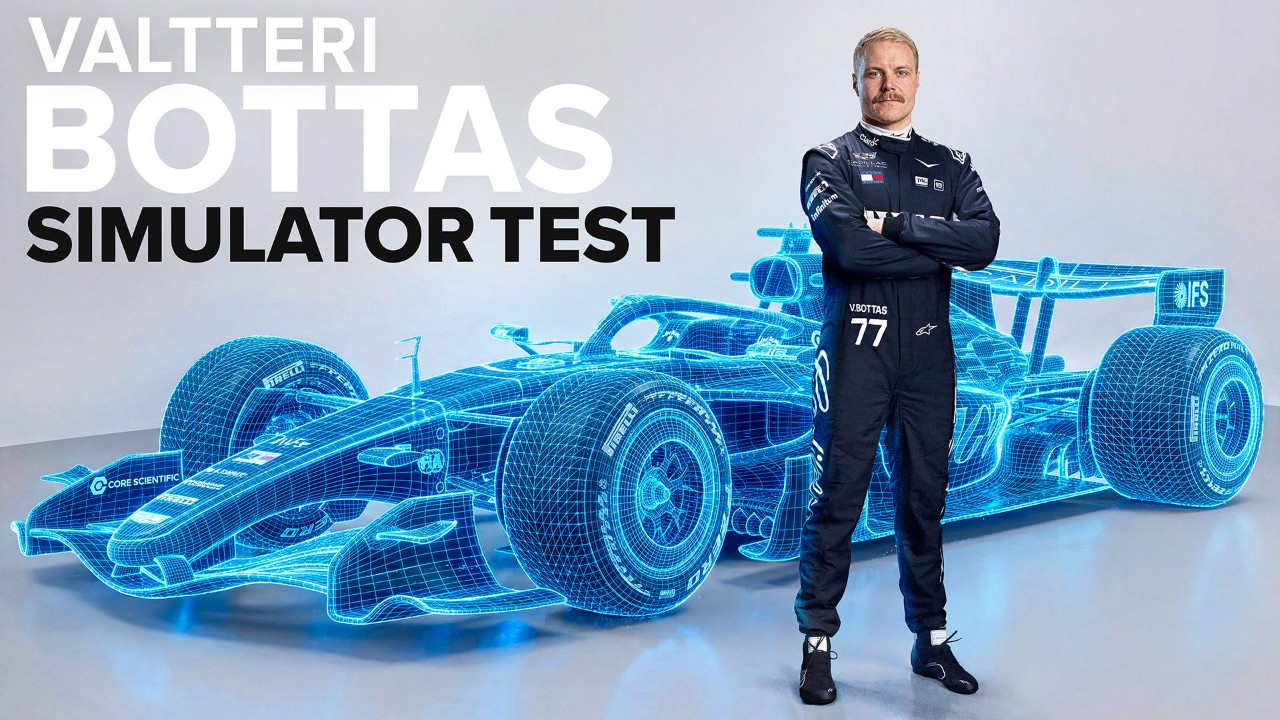
It turns out, the Cadillac Formula 1 Team gets right back to work improving the car – in F1, there’s zero time to waste. Just days after the race itself, driver Valtteri Bottas straps back into the team’s simulator at the GM Technical Center in Charlotte, NC, to “correlate” his seat-of-the-pants impressions with his car’s digital doppelganger. On-track time in the car is strictly limited by sport’s regulations, so the vast majority of the car’s development must be done in the virtual realm.
That makes correlation critical to success. We’ve seen Cadillac Formula 1 Team sim driver Simon Pagenaud putting in the hard work across epic simulator stints, and the efforts of the whole simulator team in Charlotte dedicated to mirroring reality in the digital. If the team can perfect the relationship between reality and simulation, the results pay off on track, from pre-race practice through those post-race celebrations.